Cheap office rubbish removal for Finchley Road shops and cafes
Posted on 12/10/2026
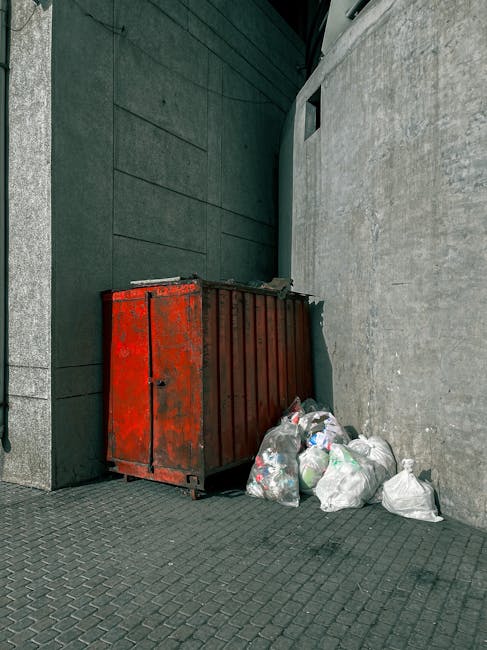
If you run a shop or cafe near Finchley Road, rubbish has a habit of building up in the background until one day it suddenly becomes impossible to ignore. Cardboard stacks up by the till. Broken chairs hide behind the mop bucket. Old packaging, office paper, and tired fittings start taking over valuable floor space. Cheap office rubbish removal for Finchley Road shops and cafes is not just about getting rid of clutter; it is about keeping the place safe, presentable, and workable without paying more than you need to.
That balance matters. You want a service that is affordable, yes, but also quick enough for a busy trading day, careful enough not to disrupt customers, and reliable enough that you are not left staring at a pile of bags outside the back door. In this guide, we will look at how the process works, what to expect, what to avoid, and how to get good value without cutting corners.
For broader service context, it can help to look at a provider's services overview and their approach to pricing and quotes before you book anything. Saves a bit of back-and-forth, honestly.

Why Cheap office rubbish removal for Finchley Road shops and cafes Matters
Finchley Road is a busy stretch, and businesses there often deal with limited storage, tight back-of-house areas, and deliveries that arrive right when your team is already flat out. A small pile of waste can become a bigger operational problem quicker than you expect. In a cafe, a few days of used packaging, broken small appliances, and food-service waste can make the back area feel cramped and unpleasant. In a shop, old display units, redundant stock, and worn office furniture can eat into space that should be used for customers or staff.
Cheap removal matters because many small businesses do not have room in the budget for expensive clearances, but they also cannot afford the knock-on effects of delaying the job. A cluttered stockroom slows staff down. A blocked corridor creates trip hazards. Rubbish left too long can affect hygiene, and let's be fair, customers do notice when a premises feels messy before they even place an order.
There is also a reputational angle. A clean, organised front and back area says a lot about how the business is run. You may never mention the clearance to customers, but they will feel the difference. Fresh. Efficient. Under control. That matters in hospitality and retail more than people sometimes admit out loud.
Key point: "Cheap" should mean cost-effective, not careless. The best value service is one that removes waste efficiently, avoids disruption, and prevents extra costs later.
How Cheap office rubbish removal for Finchley Road shops and cafes Works
The process is usually straightforward, though the details can vary depending on the type and amount of rubbish. Most jobs begin with a description of what needs clearing: office paper waste, flat-pack packaging, furniture, old tills, shelving, broken fixtures, or general mixed rubbish. If the load is awkward or heavier than expected, a good provider will ask follow-up questions rather than guessing.
From there, the removal team normally agrees a time window, arrives with the right vehicle and labour, and clears the waste from the premises or from a loading point nearby. For shops and cafes, this often means working around trading hours, queuing customers, narrow pavements, and delivery access. Not glamorous, but very real.
Some removals are as simple as a one-off collection. Others need a phased approach. For example, a cafe refit might need old tables removed one morning, then packaging and stripped-out items taken away later the same week. A retail shop closing a back office might need more delicate sorting because some items are reusable, some recyclable, and some just need to go. That is where experience shows.
If the job includes office-style furniture, paperwork, or stored items, a service such as office clearance can be a better fit than general rubbish removal because it is built around mixed contents, not just bin bags. For bulky pieces, furniture disposal may be the cleaner route.
What usually happens on the day
- You confirm the waste type and volume.
- The team arrives and assesses access, parking, and lifting needs.
- Items are removed from the agreed areas.
- Waste is loaded, sorted where possible, and taken away.
- You are left with a clear space and, ideally, a tidy finish.
That sounds simple, and mostly it is. But the real difference is in how smoothly it fits around your business. A removal at 7 a.m. before opening can feel very different from one at midday with customers coming and going. Timing matters.
Key Benefits and Practical Advantages
The biggest benefit is obvious: you get your space back. But the practical advantages go further than that, especially for small shops and cafes trying to keep overheads sensible.
- Lower disruption: Fast removals reduce time spent working around clutter or waste piles.
- Better use of space: Stockrooms, prep areas, and office corners become functional again.
- Improved safety: Fewer trip hazards, less blocked access, and less chance of items falling over.
- Cleaner customer impression: Front-of-house areas look more professional when the back-of-house is under control too.
- More predictable costs: When priced properly, you are not paying for a full skip if you do not need one.
- Less admin for staff: Your team can stay focused on trading rather than dragging rubbish out in stages.
There is also a subtle benefit people overlook: mental space. A cluttered back room makes every task feel heavier. Once the rubbish goes, the whole place seems to breathe again. Bit dramatic perhaps, but true.
If your business also wants to reduce waste going to landfill where possible, it is worth checking a provider's recycling and sustainability approach. Even a low-cost clearance can still handle sorting sensibly.
Expert summary: For Finchley Road businesses, the cheapest option is not always the lowest headline price. It is the option that clears the right waste, on time, with minimal disruption and no hidden extras.
Who This Is For and When It Makes Sense
This service is useful for a surprisingly wide range of businesses. If you only picture overflowing bins, you are missing half the story.
Shops often need it after refits, stock changes, seasonal promotions, or when broken display units start collecting in the back. Even a small retail unit can build up an awkward amount of cardboard, packaging, and old fittings in a few weeks.
Cafes tend to need help with worn seating, damaged equipment, packaging waste, old menu boards, and general back-of-house clutter. A small cafe often has no spare storage, so one bad week can make the place feel squeezed.
Offices above or behind retail units may need clearance of paper archives, desks, chairs, broken electronics, or redundant furnishings. If that sounds familiar, a more focused rubbish clearance can be a good match, especially when items are mixed and you want them gone in one go.
It also makes sense when:
- you are changing layout or branding
- you are clearing after a tenant move-out
- you have had a small refit or maintenance job
- you need a one-off reset before a busy trading period
- you are trying to avoid paying for extra storage just for junk
Truth be told, many businesses wait too long. They tell themselves they will sort it after the weekend, then after the next delivery, then after the next delivery. And then the room is full. If that sounds familiar, you are in good company.
Step-by-Step Guidance
If you want the smoothest experience and the best value, a little planning goes a long way. Nothing fancy. Just a sensible sequence.
1. Separate what stays from what goes
Before booking, walk through the area and pull out anything reusable, sellable, or still needed. This matters because mixed loads are easier to price accurately when the keepers are out of the way. It also reduces waste and may lower the amount collected.
2. Identify the main waste categories
Make a quick list: furniture, cardboard, packaging, paper, shelving, small appliances, fixtures, or general mixed rubbish. If there are electronics, damaged monitors, or confidential materials, flag them early. Better to mention it now than awkwardly remember it at the kerb.
3. Estimate access conditions
Ask yourself: can a van park nearby? Is there a rear entrance? Are there stairs? Does the building have a narrow passage or a loading restriction? These details affect time on site and can change the quote. It is the boring part, yes, but it saves hassle later.
4. Choose the right collection window
For shops and cafes, timing can be everything. Early morning, before opening, often works best. Some businesses prefer a quieter mid-afternoon slot. Choose a time when staff can help if needed, but customers will not be in the way.
5. Ask how waste will be handled
A good provider should explain what happens to recyclable material, bulky items, and mixed waste. You do not need a lecture. Just enough clarity to know the job will be handled properly and sensibly.
6. Keep the site clear on collection day
Stack items accessibly if you can do so safely. Keep doors unblocked. Put aside fragile items. If the clearance team can move quickly from the front door or loading area to the waste pile, the job tends to run more smoothly.
7. Check the final result before signing off
Take a quick look once the removal is done. It should be clear where agreed, and there should not be stray bits left behind unless the job scope intentionally excluded them. A two-minute check can prevent a longer email later.
Expert Tips for Better Results
A few practical habits can make cheap rubbish removal work even better for your business. These are small things, but small things add up.
- Bundle similar materials together: Cardboard with cardboard, furniture with furniture. It helps speed and clarity.
- Photograph the waste first: Useful for getting a clearer quote and avoiding misunderstandings.
- Book before a busy trading period: Do not wait until you are at full capacity and desperate.
- Use off-peak timing if possible: It makes access easier and often reduces disruption.
- Check whether dismantling is needed: Some items, like counters or shelving, may need partial breakdown before collection.
- Ask about mixed loads: It is often better to clear everything in one visit than split the job into two messy ones.
If you are comparing providers, review payment terms and security too. A transparent process from quote to payment is a good sign. You can also check payment and security details if you want confidence around the admin side.
One more thing. Do not underestimate the value of a short, honest description. "A few bags" and "a few bags" can mean very different things to different people. We have all been there. A bit of precision saves a lot of shrugging.

Common Mistakes to Avoid
Most bad experiences with rubbish removal are avoidable. Usually it is not the service itself that goes wrong; it is the planning around it.
Underestimating volume
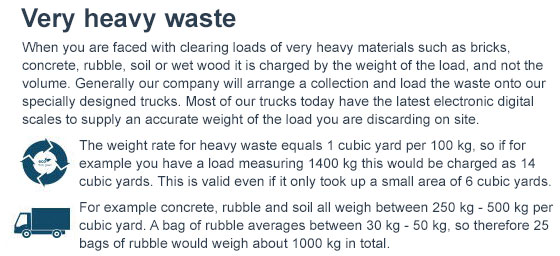
The classic mistake. A pile looks small until it is measured against a van, a stairwell, or a narrow service corridor. Always allow for more than you think, especially if furniture or broken fittings are involved.
Not checking access
If a vehicle cannot stop close enough, the job can take longer and cost more. This is especially important on a busy road where loading is limited. A five-minute access check can save a headache.
Mixing special items into a general load
Some waste types need separate handling or at least must be mentioned in advance. Electronics, fixtures, or anything with unusual contents should never be treated as an afterthought.
Chasing the cheapest headline without asking what is included
Cheap can be good. Hidden extras are not. Make sure you understand whether labour, loading, disposal, and access constraints are all part of the quote.
Leaving it too late
Once waste starts interfering with staff movement or customer flow, you are already paying for the mess in lost efficiency. Best not to let it get that far.
Tools, Resources and Recommendations
You do not need a full operations manual to manage a clearance well. A few simple tools and routines are usually enough.
- A phone camera: Take clear photos of the waste pile from a few angles.
- Basic measuring tape: Helpful for furniture, storage units, and access gaps.
- Labels or marker pens: Useful if some items are being kept and others removed.
- Gloves and sturdy footwear: Worth having on hand if staff need to move items carefully.
- A short inventory list: Especially useful for office clearance or mixed shop stockroom waste.
If your site has a large mix of household-style and business waste, a broader waste removal service may be suitable. For smaller, one-off loads, rubbish collection may be the more efficient option. And if timing is tight, same-day help can sometimes be the difference between a smooth reset and a messy week; see same-day rubbish collection near Swiss Cottage Station for a sense of what faster response can look like.
For larger office-style jobs, you may also want to compare with skip hire. It can suit some projects, though for busy shops and cafes, a man-and-van style collection is often more practical because it is faster and less obtrusive.
Law, Compliance, Standards, or Best Practice
Waste handling for businesses in the UK should be taken seriously. You do not need to become a legal expert, but you should choose a service that handles waste responsibly and can explain what happens to it. That is the baseline. Anything less is a red flag.
For shops and cafes, best practice usually means separating recyclable materials where practical, avoiding contamination of food-related waste, and making sure any waste transfer is managed by a legitimate operator. If confidential paperwork is involved, ask how it is secured and disposed of. If electrical items are included, ask how they are treated. Simple questions, but important ones.
Insurance also matters. If items need to be carried through customer areas, shared hallways, or narrow access routes, you want to know the team is covered appropriately. A quick look at insurance and safety information can help reassure you before booking.
There is also a practical side to compliance: keeping entrances clear, not blocking fire routes, and ensuring waste is not left in a way that creates nuisance or risk. In busy London premises, these are not abstract concerns. They are everyday common sense, really.
And if you are comparing providers, ask yourself one plain question: would you trust this team to turn up, work neatly, and leave the place in better shape than they found it? If the answer is no, keep looking.
Options, Methods, or Comparison Table
Different clearance methods suit different jobs. The right choice depends on access, time pressure, volume, and how much labour you want to do yourself.
| Method | Best for | Pros | Trade-offs |
|---|---|---|---|
| Man-and-van rubbish removal | Small to medium shop or cafe clearances | Fast, flexible, usually lower hassle | May not suit very large loads |
| Skip hire | Longer projects with steady waste output | Useful if items are added over time | Needs space and can be awkward on busy streets |
| Office clearance service | Desks, chairs, paperwork, mixed office contents | Good for furniture and back-office clear-outs | May be more than you need for a tiny load |
| General waste collection | Mixed rubbish and bagged waste | Simple and straightforward | Less specialised for bulky or complex items |
For many Finchley Road shops and cafes, man-and-van removal is the sweet spot. It is quick, does not sit outside your premises for days, and is usually easier to fit around customers and deliveries. Skip hire still has its place, but on a busy high street it can feel like parking a bathtub in the road. Not always ideal.
Case Study or Real-World Example
Picture a small cafe near Finchley Road that has just refreshed its seating area. The old chairs are stacked at the back, the broken table bases are leaning against a wall, and there is a fair amount of packaging from the new stock deliveries. Nothing dramatic, but enough to make the service area feel cramped. Staff are tripping around boxes, and the manager knows the space needs clearing before the weekend rush.
Instead of waiting for the waste to build up further, the business books a collection for early morning. The items are grouped in advance: furniture in one corner, cardboard flattened and tied, mixed waste separated where possible. The team arrives, lifts the bulky pieces, clears the load, and leaves the back area ready for trading. No drama. No long interruption. The cafe opens on time, and the staff are noticeably happier because they are not squeezing past a mess all day.
That is the real value here. Not a flashy transformation. Just a practical reset that stops the business from feeling stuck.
Practical Checklist
Use this quick checklist before you book cheap office rubbish removal for Finchley Road shops and cafes:
- List the items that need removing.
- Separate anything you want to keep.
- Note whether items are bulky, heavy, or awkward.
- Take a few photos of the waste and access points.
- Check if there are stairs, narrow doors, or loading limits.
- Decide on the best time to avoid customer disruption.
- Ask whether recycling or sorting is included.
- Confirm whether furniture, electronics, or office materials are accepted.
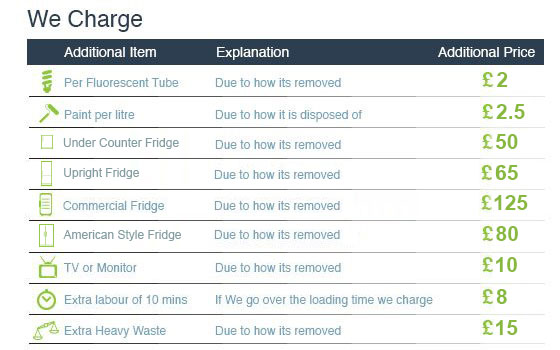
- Ask about pricing structure and any possible extras.
- Keep entrances and walkways clear on collection day.
- Do a quick final check once the job is done.
Quick reminder: the cleaner the brief, the smoother the collection. A little prep goes a long way, and you do not need to overcomplicate it.
Conclusion
Cheap office rubbish removal for Finchley Road shops and cafes is really about making busy premises easier to run. When waste is cleared properly, staff move faster, customers see a better-presented business, and the whole place feels more in control. That is worth a lot, especially when margins are tight and space is limited.
The best results usually come from a simple formula: be clear about what needs removing, choose the right collection window, ask sensible questions about pricing and handling, and avoid leaving the job until it becomes a problem. Nothing fancy. Just practical, local, and efficient.
If you are comparing options, focus on reliability, transparency, and how well the service fits your trading day. Cheap is good. Clean, fast, and predictable is better.
Get a free quote today and see how much you can save.
And if you do sort that clutter out this week, you may be surprised how much lighter the place feels on Monday morning.


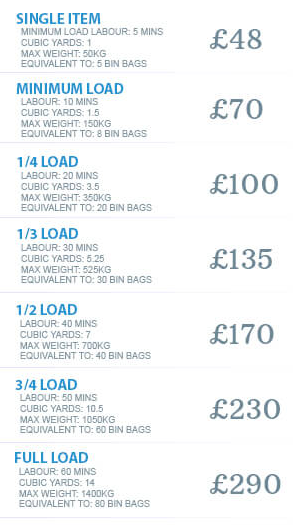
 Tipper Van - Rubbish Removal and Junk Disposal Prices in Swiss Cottage, NW3
 Luton Van - Rubbish Removal and Junk Disposal Prices in Swiss Cottage, NW3