Swiss Cottage rubbish removal guide for Finchley Road homes
Posted on 27/07/2026
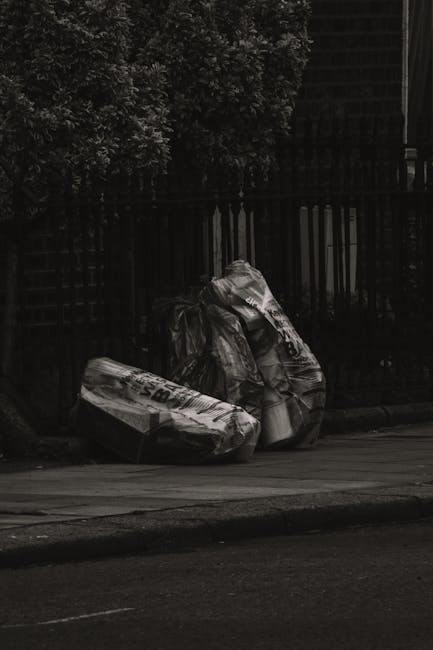
If you live near Finchley Road, rubbish has a funny habit of piling up at the worst possible time. A hallway full of old furniture. Bags of mixed waste after a refurb. Garden cuttings that looked manageable until you started bagging them up. This Swiss Cottage rubbish removal guide for Finchley Road homes is here to make the whole thing feel calmer, clearer, and a lot less faffy.
Whether you are clearing out a flat, dealing with builders' debris, or just trying to reclaim a spare room before guests arrive, the right approach saves time, reduces stress, and helps you avoid the usual mistakes-like overfilling a skip, separating the wrong materials, or leaving disposal too late. Truth be told, that last one catches a lot of people out.
Below, you will find a practical local guide to how rubbish removal works, when it makes sense, what to expect on the day, and how to choose the cleanest, safest option for homes around Swiss Cottage and Finchley Road.
- Why it matters
- How it works
- Key benefits
- Who this is for
- Step-by-step guidance
- Expert tips
- Common mistakes to avoid
- Tools, resources and recommendations
- Law, compliance and best practice
- Options and comparison
- Real-world example
- Practical checklist
- Conclusion
- Frequently asked questions
Why Swiss Cottage rubbish removal guide for Finchley Road homes Matters
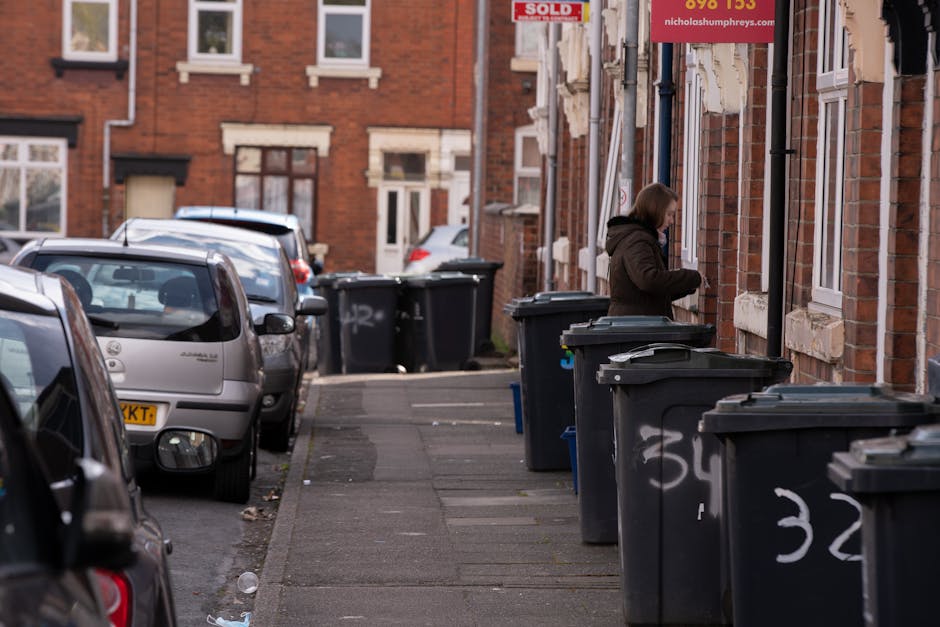
Finchley Road homes tend to face a very specific kind of waste problem. Space is often limited, access can be tight, and many properties sit in buildings where stairwells, basements, shared entrances, or narrow front paths make bulky disposal harder than it should be. A single sofa can become a whole afternoon if you try to tackle it without a plan.
That is why a local rubbish removal approach matters. It is not just about getting rid of stuff. It is about matching the job to the property, the access, the material type, and the speed you actually need. A ground-floor house in Swiss Cottage may need a different approach from a top-floor flat near Finchley Road station. Same postcode feel, very different logistics.
There is also the practical side. If waste is left sitting around too long, it gets in the way of cleaning, decorating, renting, selling, or simply living comfortably. For households preparing for a move, a clear-out can make the difference between a smooth handover and a last-minute panic with bin bags at midnight. Nobody wants that.
If you are still mapping out the bigger picture of local life and property decisions, it may also help to read about the pros and cons of Swiss Cottage living or the ultimate Swiss Cottage property buying guide. Waste clearance often becomes part of those bigger decisions, especially when you are moving into a place that needs work.
Expert summary: The best rubbish removal solution for Finchley Road homes is the one that fits your access, waste type, and timetable-not simply the cheapest-looking option.
How Swiss Cottage rubbish removal guide for Finchley Road homes Works
In plain English, rubbish removal is the process of collecting unwanted items from your property and taking them away for sorting, recycling, reuse, or disposal. For many Finchley Road homes, the service is handled manually by a team rather than through the self-service model you get with skip hire. That often makes it easier for apartments, busy households, and properties without straightforward outside space.
Most jobs follow a simple pattern:
- You identify the waste and estimate the volume.
- You choose a suitable disposal method, such as general rubbish clearance, furniture disposal, or house clearance.
- A collection is arranged for a time that suits your access and schedule.
- The items are removed, loaded safely, and handled according to their material type.
- Reusable or recyclable items are separated where possible, rather than simply mixed into one load.
For some properties, especially those with mixed waste after building work, it is worth looking at builders waste clearance in Swiss Cottage. That is a different job from a normal spring clean. Dust, plasterboard, timber, tiles, and packaging all behave differently, and they usually need a more thoughtful approach.
You will also hear the terms junk removal, waste removal, rubbish collection, and rubbish clearance. They overlap a lot in everyday conversation, but in practice they can point to slightly different service styles. Some are better for one-off bulky items. Others are better for mixed household waste or larger clear-outs. The right choice depends on what is actually in front of you. Simple enough, but easy to get wrong.
Key Benefits and Practical Advantages
A well-planned clearance does more than create space. Done properly, it makes the property easier to use, easier to clean, and easier to sell or rent. That sounds obvious, but anyone who has tried to move around a flat with two broken wardrobes and a collapsed shelf knows the feeling.
Here are the real-world advantages locals notice most:
- Less disruption: Items are removed in one go, so you are not juggling multiple trips to the tip.
- Better for tight-access homes: Flats and maisonettes near Finchley Road often benefit from a team that can physically move items out safely.
- Faster turnaround: Useful when you are preparing for a tenancy change, sale, renovation, or end-of-lease inspection.
- Cleaner spaces: Once clutter is gone, deep cleaning becomes much easier. You really notice the difference in a hallway or spare room.
- More responsible handling: Where items can be reused or recycled, they should be separated rather than dumped together.
There is also the quiet benefit of headspace. A cluttered room can be oddly draining. Clear the space and the whole flat feels lighter. That is not a technical term, admittedly, but people recognise it straight away.
For homeowners thinking longer term, rubbish removal can support a wider maintenance plan. A tidy loft, cleared garage, or emptied garden shed can reduce fire risk, improve access, and make future decorating or repairs far less annoying. If your goal is to sort out the whole property, not just the surface mess, services like loft clearance and garage clearance can be especially useful.
Who This Is For and When It Makes Sense
This guide is for anyone living in or around Finchley Road who needs rubbish moved quickly, safely, and without turning the weekend into a carry-and-sort marathon. That includes homeowners, tenants, landlords, letting agents, tradespeople, and small business owners. Really, anyone with more waste than their bins can sensibly handle.
Common situations include:
- End-of-tenancy clear-outs where furniture, broken items, and bagged waste need removing together.
- Pre-sale or pre-let property preparation where clutter is making rooms look smaller than they are.
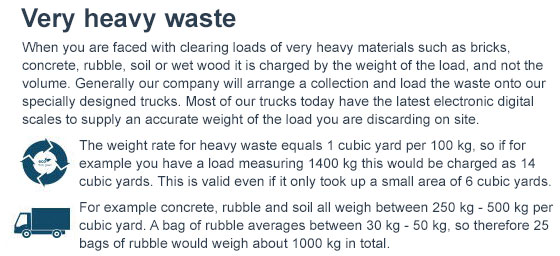
- Post-renovation waste, including packaging, timber offcuts, rubble, and old fixtures.
- Garden overhauls with hedge trimmings, soil, branches, and awkward green waste.
- Garage or loft decluttering after years of "I'll deal with that later".
It also makes sense if you have access problems. A skip is not always the neatest answer for a Finchley Road home, especially if you do not have drive space or want to avoid street placement issues. In those cases, a collection-based approach can be much more practical. If you are comparing methods, the page on skip hire in Swiss Cottage is useful alongside collection-led options.
A small aside here: if your waste has been spreading across two rooms and a landing, you do not need to feel embarrassed. It happens all the time. People start with one chair, then somehow end up with a mountain. The chair was innocent, of course.
Step-by-Step Guidance
Here is a straightforward way to handle rubbish removal without overcomplicating it.
- Walk through the property slowly. Make a note of every item or pile that needs to go. Be honest about hidden bits too-behind doors, under beds, in cupboards, and in the loft.
- Separate by type. Keep general household waste apart from furniture, green waste, metal, electrical items, and building debris where possible. It helps with sorting and can make the process smoother.
- Check access points. Measure stair turns, lift dimensions, doorway widths, parking restrictions, and any awkward corners. In some Swiss Cottage streets, this matters more than people expect.
- Decide what is reusable. One item may be rubbish to you, but not to the recycling stream or reuse route. A decent service will try to divert suitable items away from disposal where possible.
- Choose the right service type. For mixed household clutter, look at junk removal or waste removal. For larger domestic jobs, house clearance may be the better fit.
- Ask about loading, safety, and recycling. You want to know how items are handled, what the team can take, and how anything sensitive or hazardous is treated.
- Prepare the area. Clear a path, protect floors if needed, and keep pets or children away while heavy items are being moved. A little prep goes a long way.
- Confirm the final plan. On the day, check what is being taken and where anything you want to keep is stored. This sounds basic, but it prevents a lot of awkwardness.
If your project involves outdoor waste as well, you may need garden waste removal alongside the main clearance. One service call, one plan. Much less chaos.
Expert Tips for Better Results
After years of seeing how these jobs usually go, a few habits stand out as consistently helpful. Nothing fancy. Just the kind of things that save hassle later.
- Take photos before you book. They help you estimate volume more accurately and reduce the risk of surprises on arrival.
- Be realistic about the access. If a wardrobe has to go down two flights and through a narrow communal corridor, say so. Early honesty is always better.
- Do not mix sharp or heavy items loosely. Broken glass, nails, and bent metal can cause real headaches during loading.
- Bundle similar items together. Cardboard with cardboard, soft furnishings together, green waste together. It speeds up the job and keeps sorting sensible.
- Keep sentimental items separate. The number of people who nearly clear out the wrong box is, frankly, more than it should be.
- Schedule clearance before decorating starts. Once paint tins, tools, and furniture all overlap, the room becomes harder to work in.
One useful extra: if you are planning a move or property refresh in the area, it may be worth pairing clearance with broader local planning research. A couple of the site's Swiss Cottage guides, such as Swiss Cottage real estate deals and a locals' guide to hidden gems in Swiss Cottage, can give useful context if your household decisions are tied to a move or a renovation.
Common Mistakes to Avoid
A lot of rubbish removal problems are avoidable. The tricky part is that the mistake usually feels small at first.
- Underestimating volume: The pile looks manageable until it is stacked, bagged, and weighed by reality.
- Leaving access checks until the last minute: This can slow down collection or create avoidable delays.
- Assuming all waste is handled the same way: Furniture, electricals, green waste, and builder's debris are not interchangeable.
- Mixing clean recyclables with dirty waste: It can reduce what can be recovered.
- Booking too late before a deadline: If you have checkout, sale completion, or a contractor starting work, leave buffer time.
- Ignoring safety risks: Heavy lifting, broken materials, and dusty clearances can be risky without the right approach.
Another one: people sometimes assume the cheapest option is automatically the best fit. Sometimes it is. Often it is not. If the job turns into extra labour, extra time, or poor handling, the low sticker price is not such a bargain anymore. Bit annoying, that.
Tools, Resources and Recommendations
You do not need a van full of gear to prepare for rubbish removal, but a few basic tools make the process smoother.
- Heavy-duty bags: Better for mixed lightweight waste and garden material.
- Gloves: Useful for handling rough edges, dusty materials, and hidden mess.
- Tape measure: Especially handy for furniture, tight hallways, and stair turns.
- Marker labels: Simple labels help separate keep, donate, recycle, and remove piles.
- Floor protection: Cardboard, dust sheets, or old coverings can help on longer jobs.
- Basic cleaning supplies: Once the waste is gone, a quick sweep makes the space feel properly finished.
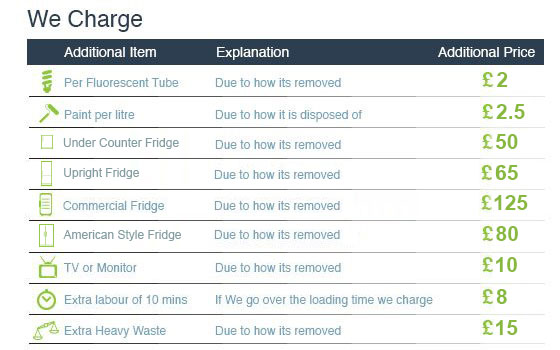
From a service perspective, the most relevant site pages for this topic are usually the services overview, pricing and quotes, and recycling and sustainability. Those pages help you understand what is included, how pricing tends to be handled, and what happens to waste after collection.
If safety is a concern-as it often should be with bulky or awkward items-the page on insurance and safety is worth a look. It is the kind of thing people skip until they need it, and then suddenly it matters a lot.
Law, Compliance, Standards, or Best Practice
For households in Finchley Road and Swiss Cottage, the key point is simple: waste should be handled responsibly and by a service that understands the difference between ordinary household rubbish, recyclable material, and items that may need special care. You do not need to become an expert in waste regulation to make a good decision, but a few best-practice checks help.
In the UK, it is normal to expect legitimate waste handlers to manage material properly, avoid fly-tipping, and treat the contents of a clearance carefully. If someone cannot explain where the waste goes, or seems vague about handling, that is a warning sign. Not dramatic-just sensible.
For homeowners and tenants, a practical checklist is more useful than trying to memorise rules:
- Ask what types of items can be removed.
- Confirm whether heavy lifting is included.
- Check whether recyclable and reusable items are sorted separately.
- Make sure access needs are discussed upfront.
- Use a provider whose terms and payment process are clear.
Households should also be careful with anything that may be hazardous, sharp, damp, or contaminated. Those items may need special handling or may not be suitable for standard collection. If in doubt, ask first rather than guessing. That small bit of caution can save a lot of trouble later.
Options, Methods, or Comparison Table
For Finchley Road homes, the main choice is usually between a collection-based rubbish removal service and skip hire. Each has its place. The better option depends on your access, the amount of waste, and whether you want the work done for you or prefer to load it yourself.
| Method | Best for | Main advantage | Possible drawback |
|---|---|---|---|
| Rubbish removal / collection | Flats, busy homes, mixed waste, bulky items | Team loads items for you, usually quicker and easier | Less ideal if you want to fill slowly over several days |
| Skip hire | DIY projects, renovations, repeated loading | Good if you are generating waste over time | Needs space, permits may be a factor, and you do the loading |
| Targeted disposal | Single item or specific waste type | Simple when you only have one category to clear | Can become inefficient if the job expands |
In many Swiss Cottage homes, collection wins because the access is better suited to a team arriving, lifting, sorting, and leaving the place tidy. But if you are working on a bigger project and have room to manage materials over a few days, skip hire may still make sense. There is no one-size-fits-all answer here, and that is fine.
Case Study or Real-World Example
Here is a realistic example. A second-floor flat off Finchley Road has been used as a long-term rental. When the tenants leave, the property needs clearing before decorators start. The flat contains a damaged sofa, a broken desk, a mattress, several black bags of mixed household waste, flat-pack packaging, and a few items that could be recycled if separated properly.
If the owner tried to do this alone, the job would likely stretch across multiple trips, with awkward carrying down stairs and the risk of damaging the communal hallway. Instead, the owner books a collection-led clearance. Before the visit, the items are grouped by type, the access route is checked, and anything the owner wants to keep is moved into one locked room.
On the day, the team clears the bulky pieces first, then gathers the smaller waste, and leaves the room ready for cleaning. The practical win is not just speed. It is that the property can move straight to the next step without a half-finished mess hanging around for days.
That kind of workflow is exactly why local services matter. You are not just paying for muscles; you are paying for the judgment to do the job in the least disruptive way. And yes, that matters more than people think.
Practical Checklist
Use this before you book or on the morning of collection.
- Identify every item that needs to go.
- Separate furniture, green waste, and general rubbish if possible.
- Check for anything fragile, sharp, or unusually heavy.
- Measure access routes, stairs, and doorways.
- Decide what must be kept in a clearly marked area.
- Photograph larger items if you need a quote discussion.
- Confirm timing, parking, and any entry instructions.
- Keep pets and children away from the loading area.
- Set aside cleaning tools for after the clearance.
- Review the service details, payment method, and terms before confirming.
If you are dealing with a particularly full property, a full rubbish collection may be easier than trying to break the job into tiny pieces. Sometimes the cleanest route is just the one that gets it done properly the first time.
Get a free quote today and see how much you can save.
Conclusion
Rubbish removal for Finchley Road homes does not need to be complicated. The key is to match the service to the space, the access, and the type of waste you actually have. Once you do that, the job becomes far more manageable-and a lot less stressful.
For a small clear-out, a targeted collection may be enough. For a fuller property reset, a house or loft clearance may be the smarter move. For outdoor clutter, garden waste removal keeps everything neat. And for renovation debris, builders' clearance stops dust and offcuts from taking over the place. All of it comes down to making one sensible decision at the right time.
If your home is feeling overcrowded, start with the easiest pile. One bag, one chair, one shelf. Small progress still counts. Before long, the room looks different, sounds different, and even feels different. That is usually the moment people realise they should have done it sooner. Still, better late than never.
And if you are ready to sort the mess properly, keep it simple, keep it safe, and keep going one clear step at a time.


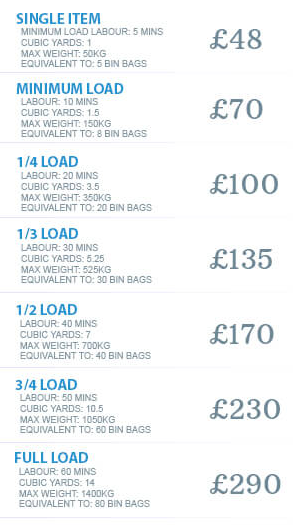
 Tipper Van - Rubbish Removal and Junk Disposal Prices in Swiss Cottage, NW3
 Luton Van - Rubbish Removal and Junk Disposal Prices in Swiss Cottage, NW3